7 Chakra Meditation Techniques for Beginners: A Step-by-Step Guide to Meditation with Purpose
Table Of Content
Related Articles
Signs your 7 Chakras are Blocked and How to Fix Them Naturally
Why Chakra Blockages Happen. Before learning how to fix chakra blockage, it’s important to understand why they occur in the first place.
How 7 Chakras Influence Your Career Growth, Relationships & Health
Understanding how 7 chakras influence career, relationship and health can completely change the way you approach growth and success.
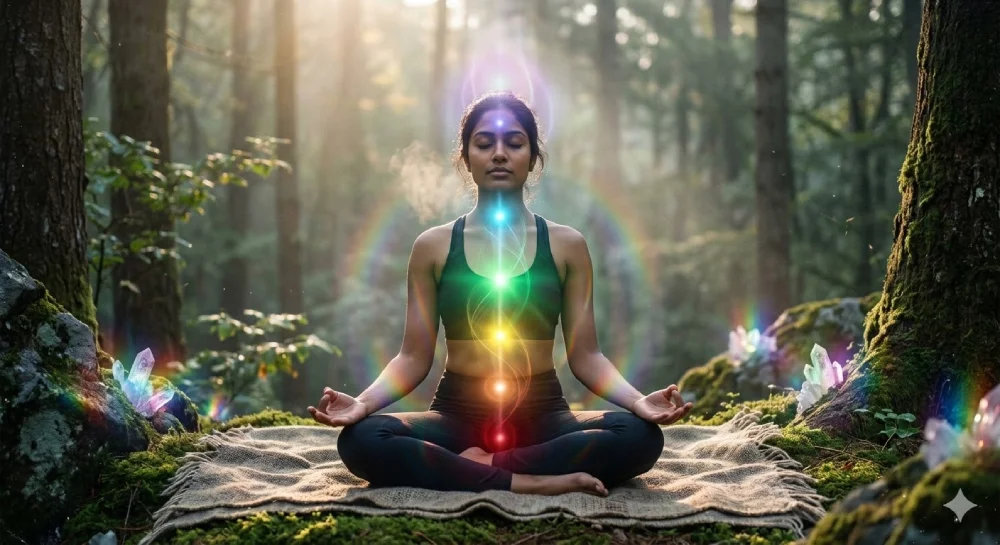
7 Chakra Activation: The Complete Guide to Balance Energy, Mind & Success
7 Chakra Activation refers to the process of awakening, balancing, and aligning these energy centres so that energy flows freely throughout the body. This complete guide to 7 Chakra is not just about inner peace; it is about achieving excellence in real life.
In today’s distracted and fast-moving lifestyle, meditation is often reduced to a quick fix for stress. But true transformation happens when meditation is practiced with intention and direction. That’s where 7 Chakra Meditation Techniques come into play. Instead of simply calming the mind, these techniques help align your energy, sharpen your focus, and bring clarity to your actions.
If you are a beginner, this guide will walk you through Meditation with Purpose a structured approach that not only improves inner peace but also enhances academic performance, decision-making, and overall life direction.
What Are 7 Chakra Meditation Techniques?
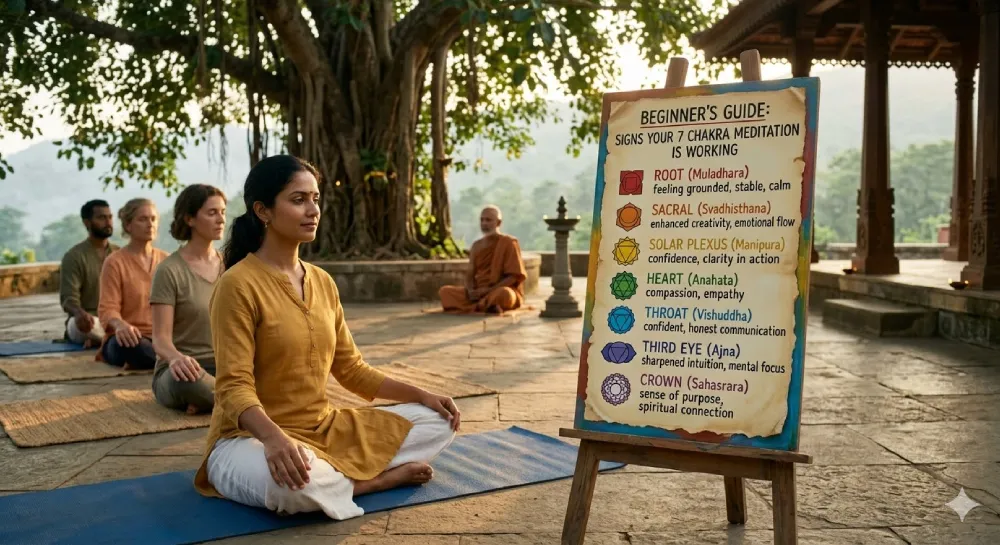
Your body has seven primary energy centers, known as chakras. Each chakra influences a specific area of your life—from stability and creativity to confidence, communication, and clarity.
7 Chakra Meditation Techniques are structured practices that focus on activating and balancing each of these energy centers one by one. Unlike random meditation, this method ensures:
-
Focused awareness
-
Balanced energy flow
-
Improved mental clarity
-
Emotional stability
-
Purpose-driven action
For beginners, this approach makes meditation more practical and results-oriented.

Why Beginners Should Practice Meditation with Purpose
Many beginners start meditation but stop midway because they don’t see immediate results. The reason is simple lack of direction.
Meditation with Purpose ensures that every session has a clear objective. Instead of just “sitting quietly,” you are actively working on:
-
Improving concentration
-
Reducing overthinking
-
Strengthening decision-making
-
Aligning your thoughts with your goals
When meditation becomes purposeful, consistency improves and so do results.
Preparing for 7 Chakra Meditation
Before starting these 7 Chakra Meditation Techniques, preparation plays a key role.
1. Choose a Quiet Space
Find a place where you won’t be disturbed. A calm environment helps you stay focused.
2. Sit Comfortably
You can sit cross-legged on the floor or on a chair with your spine straight.
3. Set an Intention
Ask yourself: What do I want to improve today?
Clarity in intention enhances the effectiveness of meditation.
4. Focus on Breathing
Start with slow, deep breaths to relax your body and mind.
Step-by-Step 7 Chakra Meditation Techniques
This structured method allows you to activate each chakra progressively.
Step 1: Root Chakra Meditation (Stability & Focus)
Focus Area:
Base of the spine
Technique:
-
Close your eyes and bring attention to your lower body
-
Visualize a red light at the base of your spine
-
Breathe deeply and feel a sense of grounding
Benefit:
-
Improves focus and discipline
-
Reduces fear and anxiety
This step builds the foundation for consistent academic and career growth.
Step 2: Sacral Chakra Meditation (Creativity & Emotions)
Focus Area:
Lower abdomen
Technique:
-
Visualize an orange glow in your lower abdomen
-
Breathe into this area slowly
-
Allow emotions to flow without resistance
Benefit:
-
Enhances creativity
-
Improves emotional balance
This step helps beginners break mental blocks and stay motivated.
Step 3: Solar Plexus Chakra Meditation (Confidence & Action)
Focus Area:
Upper abdomen
Technique:
-
Visualize a bright yellow light
-
Focus on your breathing while feeling warmth in this area
-
Repeat affirmations like: “I am confident and capable”
Benefit:
-
Builds self-confidence
-
Strengthens decision-making
This is crucial for students, professionals, and anyone facing self-doubt.
Step 4: Heart Chakra Meditation (Connection & Balance)
Focus Area:
Center of the chest
Technique:
-
Visualize a green light expanding from your heart
-
Focus on feelings of gratitude and compassion
-
Take slow, deep breaths
Benefit:
-
Improves relationships
-
Reduces emotional stress
This step helps you build stronger personal and professional connections.
Step 5: Throat Chakra Meditation (Communication & Expression)
Focus Area:
Throat region
Technique:
-
Visualize a blue light around your throat
-
Focus on your breath and relax your jaw and neck
-
Practice silent affirmations like: “I express myself clearly”
Benefit:
-
Enhances communication skills
-
Reduces hesitation
This is especially useful for presentations, interviews, and leadership roles.
Step 6: Third Eye Chakra Meditation (Clarity & Insight)
Focus Area:
Between the eyebrows
Technique:
-
Focus your attention on this point
-
Visualize an indigo light
-
Observe your thoughts without reacting
Benefit:
-
Improves clarity and focus
-
Reduces overthinking
This step strengthens your ability to make clear and confident decisions.
Step 7: Crown Chakra Meditation (Awareness & Purpose)
Focus Area:
Top of the head
Technique:
-
Visualize a violet or white light
-
Sit in stillness and observe your breath
-
Allow a sense of calm awareness to expand
Benefit:
-
Creates inner peace
-
Aligns you with your life’s purpose
This final step connects all chakras into a balanced system.
How Long Should Beginners Practice?
For beginners, consistency matters more than duration.
-
Start with 10–15 minutes daily
-
Gradually increase to 20–30 minutes
-
Focus on quality over quantity
Even short sessions of Meditation with Purpose can bring noticeable changes when practiced regularly.
Common Mistakes Beginners Should Avoid
1. Expecting Instant Results
Meditation is a process. Give your mind time to adapt.
2. Lack of Consistency
Skipping practice reduces effectiveness.
3. Overthinking the Process
Keep it simple. Focus on breathing and awareness.
4. Practicing Without Guidance
Incorrect techniques may lead to confusion instead of clarity.
Benefits of Practicing 7 Chakra Meditation Techniques
When practiced consistently, these techniques offer both internal and external benefits.
Mental Benefits:
-
Improved focus and concentration
-
Reduced anxiety and overthinking
-
Better memory retention
Emotional Benefits:
-
Balanced reactions
-
Improved relationships
-
Greater emotional awareness
Performance Benefits:
-
Stronger decision-making
-
Increased productivity
-
Clear goal alignment
Physical Benefits:
-
Better energy levels
-
Reduced stress
-
Improved overall well-being
Integrating Meditation with Daily Life
The true power of 7 Chakra Meditation Techniques lies in applying the awareness gained during meditation to real-life situations.
-
Stay mindful while working or studying
-
Observe your reactions instead of reacting instantly
-
Make decisions with clarity, not confusion
This integration turns meditation into a practical life tool.
Why Guided Practice Accelerates Results
While beginners can start on their own, guided sessions help you:
-
Follow the correct sequence
-
Avoid confusion
-
Experience deeper activation
-
Stay consistent
Structured guidance transforms meditation from a habit into a powerful growth system.
Align Your Meditation with Academic & Career Success
Meditation is not just about relaxation it is about performance enhancement.
For Students:
-
Better focus during study
-
Reduced exam anxiety
-
Improved learning capacity
For Professionals:
-
Clear communication
-
Confident decision-making
-
Stress-free productivity
For Entrepreneurs:
-
Strategic thinking
-
Emotional balance
-
Vision clarity
When you practice Meditation with Purpose, your internal clarity reflects in external success.
Begin Your Journey with Purpose
If you are serious about improving your focus, discipline, and overall performance, it’s time to move beyond random meditation.