

Why High-Performing Teams Need Emotional and Energetic Alignment
Table Of Content
Related Articles

The Quiet Power of Self-Trust: From Knowing What You Want to Acting on It
Knowing what you want is only the beginning. True strength lies in trusting yourself enough to act, accept the consequences, and let go of what you cannot control. Explore the quiet power of self-direction, confidence, and inner awareness through the intelligence of the solar plexus center.

Seven Dimensions. Seven Intelligences. One Consciousness.
The chakra system offers a powerful way to explore seven dimensions of human awareness from grounding and feeling to will, connection, expression, perception and expanded awareness.
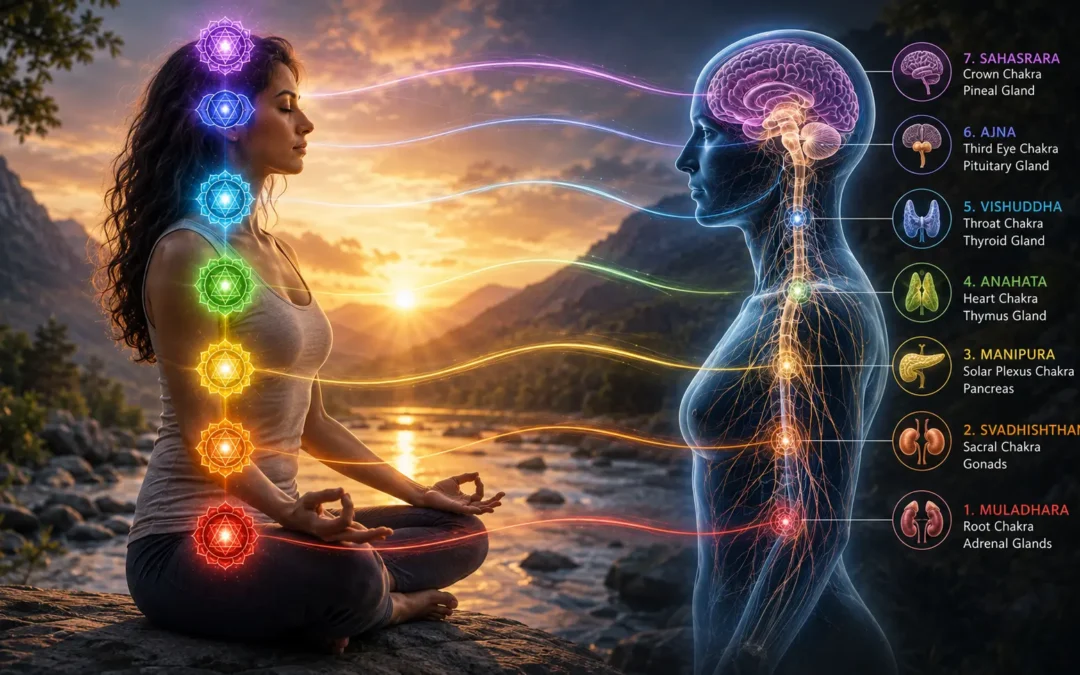
Exploring the fascinating conversation between ancient wisdom and modern biology
Our emotions can influence our breath, nervous system, hormones, sleep, energy and overall wellbeing. The ancient chakra system offers a language for understanding our inner experience, while modern biology explains many of the physiological processes behind it.

How To Claim The Divine Masculine, The Divine Feminine And Their Sacred Union Within Ourselves
The Sacred Union Within Us We all carry both the Divine Masculine and Divine Feminine within us. The journey is not about choosing one, but learning to balance both.
Most organizations focus on skills, technology, and processes when building high-performing teams.
While these elements are important, they are not enough.
Behind every successful team lies a less visible factor: alignment.
Not just strategic alignment—but emotional and energetic alignment.
The Hidden Dynamics of Team Performance
Teams often struggle despite having talented individuals.
Why?
Because performance is influenced by more than technical expertise.
Factors such as:
- Trust
- Communication
- Emotional intelligence
- Psychological safety
play a critical role in determining success.
When team members operate from stress, insecurity, or emotional imbalance, collaboration suffers.
Energy Influences Culture
Every individual contributes energy to the workplace.
Positive energy fosters creativity, cooperation, and innovation.
Negative energy often creates:
- Conflict
- Miscommunication
- Resistance
- Reduced morale
Leaders who understand this dynamic can create environments where teams thrive.
The Role of Awareness
Awareness-based leadership encourages individuals to observe their thoughts, emotions, and behaviors.
As awareness increases:
- Reactions decrease
- Communication improves
- Relationships strengthen
- Collaboration becomes easier
These qualities naturally enhance team performance.
Building Teams That Thrive
According to Sadguru Narendra Satyanand, sustainable success begins within.
Teams become stronger when individuals cultivate inner balance and emotional maturity.
Through Shaktipat Diksha and spiritual development practices, professionals learn how to contribute positively to collective growth.
Organizations that invest in inner development often experience stronger engagement, better retention, and improved business outcomes.
The Distinction