

Corporate Culture and Emotional Exhaustion: A Spiritual Perspective
Table Of Content
Related Articles

The Quiet Power of Self-Trust: From Knowing What You Want to Acting on It
Knowing what you want is only the beginning. True strength lies in trusting yourself enough to act, accept the consequences, and let go of what you cannot control. Explore the quiet power of self-direction, confidence, and inner awareness through the intelligence of the solar plexus center.

Seven Dimensions. Seven Intelligences. One Consciousness.
The chakra system offers a powerful way to explore seven dimensions of human awareness from grounding and feeling to will, connection, expression, perception and expanded awareness.
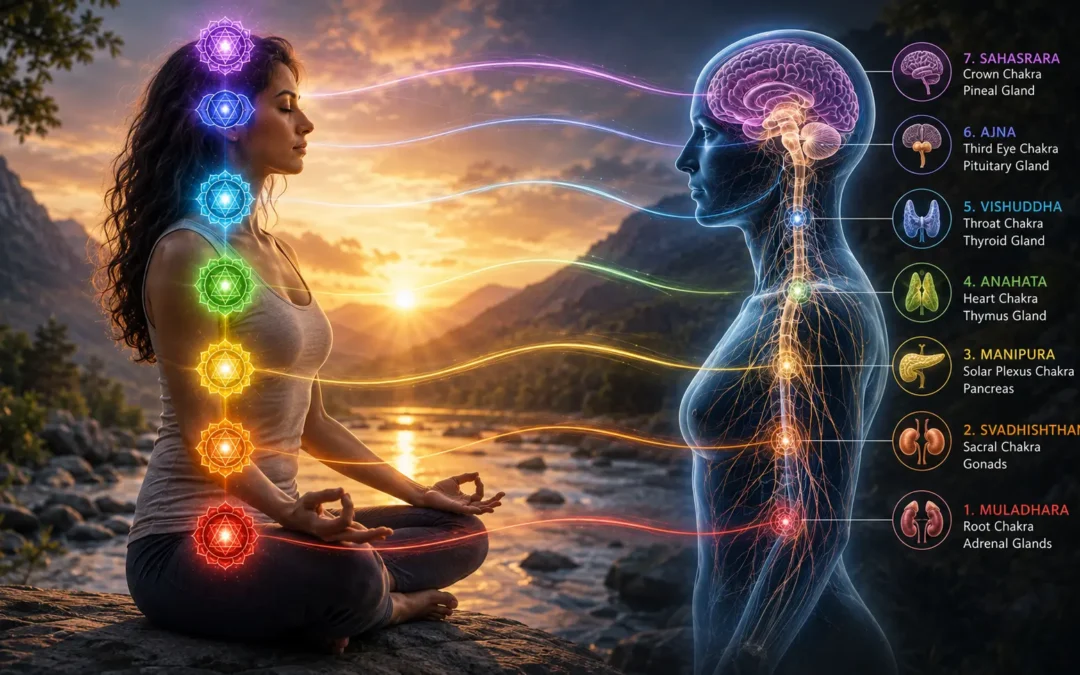
Exploring the fascinating conversation between ancient wisdom and modern biology
Our emotions can influence our breath, nervous system, hormones, sleep, energy and overall wellbeing. The ancient chakra system offers a language for understanding our inner experience, while modern biology explains many of the physiological processes behind it.

How To Claim The Divine Masculine, The Divine Feminine And Their Sacred Union Within Ourselves
The Sacred Union Within Us We all carry both the Divine Masculine and Divine Feminine within us. The journey is not about choosing one, but learning to balance both.
Many organizations focus on employee engagement, productivity, and performance. Yet despite increased awareness around workplace wellness, emotional exhaustion continues to rise across industries.
The challenge goes deeper than workload.
It is a question of how individuals relate to themselves while navigating professional responsibilities.
The Silent Epidemic
Emotional exhaustion rarely appears overnight.
It develops gradually through:
- Constant pressure
- Lack of recovery
- Emotional suppression
- Chronic stress
- Absence of meaningful connection
Employees may continue performing their duties while internally feeling disconnected and depleted.
This often leads to reduced creativity, lower motivation, and declining workplace satisfaction.
Beyond Workplace Policies
Many organizations address burnout through flexible schedules, wellness initiatives, and employee benefits.
While these efforts are valuable, they often focus on symptoms rather than root causes.
Emotional well-being is not solely determined by external conditions.
It is also influenced by inner awareness and energetic balance.
A Spiritual Approach to Workplace Wellness
According to Sadguru Narendra Satyanand, sustainable well-being requires alignment of mind, body, and consciousness.
When individuals cultivate awareness through spiritual practices, they become better equipped to handle challenges without becoming overwhelmed.
This inner resilience creates:
- Greater emotional stability
- Better stress management
- Stronger interpersonal relationships
- Increased engagement
Organizations benefit because emotionally balanced individuals contribute more effectively to team culture and business performance.
Creating Conscious Workplaces
The future of corporate culture lies in creating environments where professional success and personal growth coexist.
Leaders who understand the importance of inner well-being can foster healthier, more productive workplaces.
Shaktipat Diksha and awareness-based practices offer professionals an opportunity to reconnect with themselves while maintaining high performance.