

Why Corporate Leaders Need Consciousness-Based Leadership
Table Of Content
Related Articles

The Quiet Power of Self-Trust: From Knowing What You Want to Acting on It
Knowing what you want is only the beginning. True strength lies in trusting yourself enough to act, accept the consequences, and let go of what you cannot control. Explore the quiet power of self-direction, confidence, and inner awareness through the intelligence of the solar plexus center.

Seven Dimensions. Seven Intelligences. One Consciousness.
The chakra system offers a powerful way to explore seven dimensions of human awareness from grounding and feeling to will, connection, expression, perception and expanded awareness.
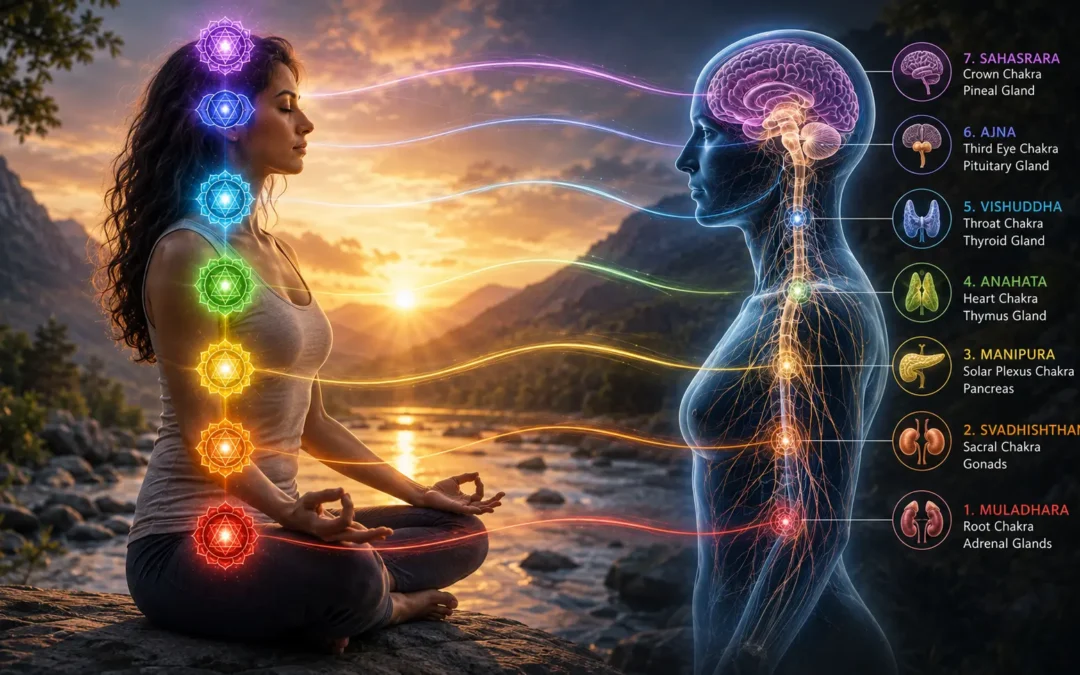
Exploring the fascinating conversation between ancient wisdom and modern biology
Our emotions can influence our breath, nervous system, hormones, sleep, energy and overall wellbeing. The ancient chakra system offers a language for understanding our inner experience, while modern biology explains many of the physiological processes behind it.

How To Claim The Divine Masculine, The Divine Feminine And Their Sacred Union Within Ourselves
The Sacred Union Within Us We all carry both the Divine Masculine and Divine Feminine within us. The journey is not about choosing one, but learning to balance both.
Leadership has evolved dramatically over the past decade. Today’s leaders are expected to do more than manage operations and deliver results. They must inspire teams, navigate uncertainty, resolve conflicts, and create sustainable growth.
Yet many leadership development programs focus only on skills.
What if the real foundation of leadership lies in consciousness?
Beyond Traditional Leadership
Traditional leadership training often emphasizes communication, strategy, and decision-making.
While these skills are essential, they do not address a leader’s internal state.
A leader who lacks emotional balance may make reactive decisions.
A leader overwhelmed by stress may unintentionally create a culture of fear.
A leader disconnected from purpose may struggle to inspire others.
The quality of leadership is ultimately determined by the quality of consciousness behind it.
Consciousness Creates Culture
Every organization reflects the mindset and energy of its leadership.
When leaders operate from:
- Fear
- Ego
- Competition
- Stress
Those qualities eventually influence workplace culture.
However, when leaders operate from:
- Clarity
- Awareness
- Compassion
- Responsibility
Teams become more collaborative, innovative, and resilient.
This is the essence of consciousness-based leadership.
The Role of Shaktipat in Leadership Development
Sadguru Narendra Satyanand teaches that lasting transformation begins within.
Through Shaktipat Diksha and spiritual practices, leaders develop greater self-awareness and emotional intelligence.
This inner transformation often leads to:
- Improved decision-making
- Better conflict resolution
- Stronger relationships
- Enhanced creativity
- Increased leadership presence
Rather than leading through control, they begin leading through influence and clarity.
Building Sustainable Success
Organizations today face rapid change and increasing complexity.
Technical expertise alone is no longer enough.
Leaders need:
- Mental clarity
- Emotional resilience
- Ethical grounding
- Visionary thinking
Consciousness-based leadership helps cultivate these qualities naturally.
As leaders evolve internally, their ability to create meaningful impact expands.
The future belongs to leaders who combine strategic intelligence with inner wisdom.